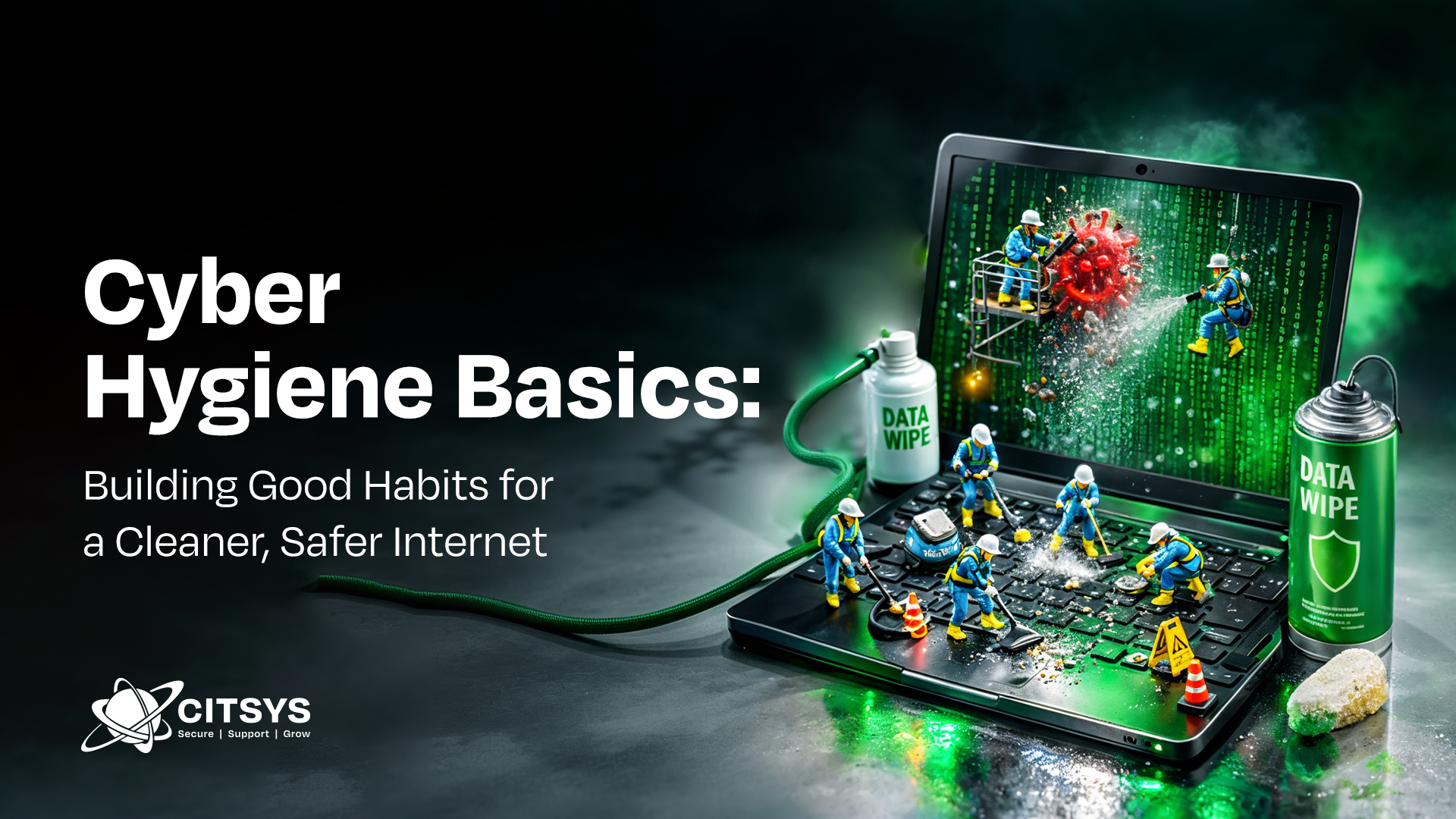
We tend to think of cyber threats as dramatic events that make news headlines, involving faceless hackers targeting large companies and causing data leaks. But in reality, most cyber problems start quietly through small everyday habits we barely think about.
Cyber hygiene is simply about paying attention to those habits and cleaning them up before they cause trouble. It means taking basic care of your digital life the same way you take care of your personal space. You lock your door and keep important documents safe to avoid obvious risks.
Online, the rules are not very different. The problem is that many people treat the internet like a safe neighborhood when it is really a busy city with strangers everywhere.
The Danger of Password Recycling
Passwords are a good place to begin. Many people still reuse the same password across multiple platforms because it is easier to remember, but this creates a major vulnerability: once one account is compromised, others can quickly follow. Good cyber hygiene means using unique passwords for every important account and making them difficult to guess. Long, simple passphrases work well, and password managers like LastPass or Bitwarden can remove the burden of memorizing them all.
Turn on Multi-Factor Authentication (MFA)
Another simple habit is enabling two-factor authentication (2FA). It adds an extra step when logging in, but also an extra layer of protection. Even if someone obtains your password, they cannot access your account without that second verification. You can use authentication apps like Google Authenticator or Microsoft Authenticator to generate secure, time-based codes for 2FA. This small effort can make a big difference in keeping your accounts secure.
Beware of unexpected email or WhatsApp links
Email and WhatsApp remain two of the most common entry points for cyber attacks. Phishing messages are designed to look familiar and harmless. They often create urgency or ask you to click a link quickly. Practising good cyber hygiene means slowing down and checking details. Look closely at the sender’s address. Be cautious with unexpected attachments or links. When in doubt, it is safer not to click.
Keep Your Devices Updated
Keeping your devices and apps updated is another basic but important step. Updates are not only about new features. Many of them fix security weaknesses that have already been identified. Ignoring updates leaves your device exposed longer than necessary. Setting updates to run automatically can remove the need to think about it.
Public Wi-fi Isn’t Always Your Friend
Public Wi-Fi is convenient, but it is not always secure. Avoid accessing sensitive accounts or making payments when connected to open networks. If you regularly use public Wi-Fi, consider using a trusted VPN or switching to mobile data for important tasks. Being cautious in these moments helps reduce unnecessary risk.
Oversharing Online Puts You at Risk
Social media also affects your cyber hygiene. The more personal information you share publicly, the easier it becomes for someone to guess passwords or impersonate you. Regularly reviewing your privacy settings and being selective about what you post can make a significant difference in protecting your accounts and identity. For practical tips on managing what you share online, see this guide from our Digital Privacy Blog
Keep Your Data Safe with Regular Backups
Backing up your data is often overlooked until it is too late. Devices fail, accounts get compromised, and accidents happen. Regular backups ensure that even if something goes wrong, you are not starting from zero. Automating backups makes this habit easier to maintain.
Conclusion
Cyber hygiene isn’t about being overly technical or suspicious of everything online, it’s about developing simple, practical habits that protect you over time. You don’t need to change everything at once. Start with one or two foundational practices, like using strong, unique passwords or enabling two-factor authentication, and gradually build from there. Consistency matters far more than perfection, and over time, these small steps add up to strong, lasting protection.